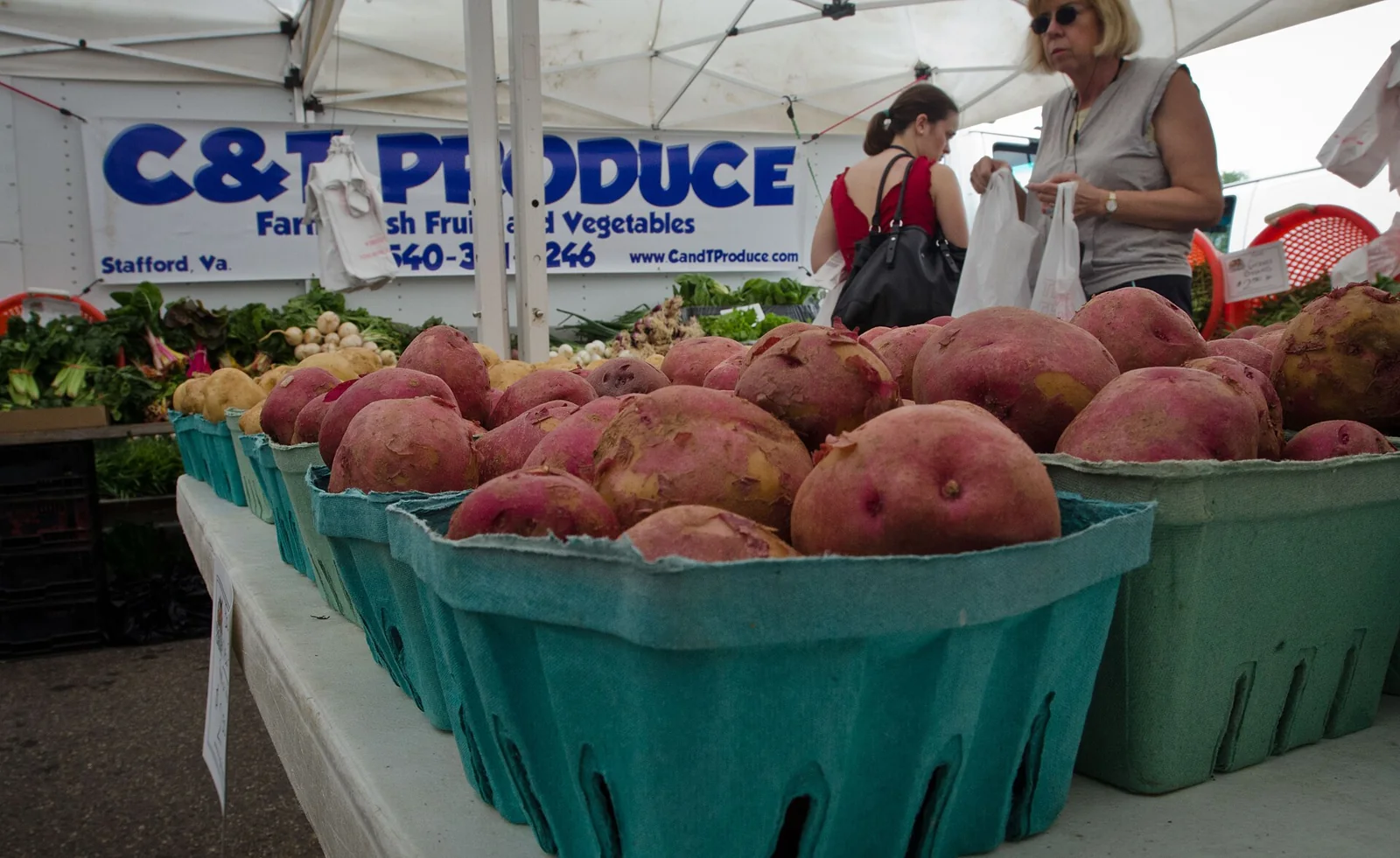
A tomato or a carton of greens may travel through growers, packers, distributors and retailers before it reaches a kitchen. That route is usually invisible to the person buying dinner. When a safety problem appears, however, the route becomes urgent. Traceability is the work of recording where food came from, where it went and what happened at key points along the way.
The goal is not to make every shopper read a logistics record. It is to give businesses and public-health investigators information they can use when they need it. The U.S. Food and Drug Administration’s Food Traceability Rule focuses on additional records for foods on its Food Traceability List. It describes critical tracking events and key data elements, such as information associated with receiving, shipping and transformation. Requirements differ by product and role in the chain.
Records are only useful if they connect
Imagine a distributor that knows which farm supplied a shipment but cannot link the shipment to the stores that received it. The first record is useful, yet the missing connection slows the next step. Traceability depends on partners being able to exchange consistent information and to associate a product with the right lot or event. It is a shared system, not a barcode attached at the very end.
That system has practical limits. Produce can be mixed, repacked or processed. Small businesses may keep records differently from large ones. Data entry can be imperfect. A technology vendor can help organize information, but software does not make a record accurate by itself. Clear procedures and responsibility at each handoff are as important as the platform used to store them.
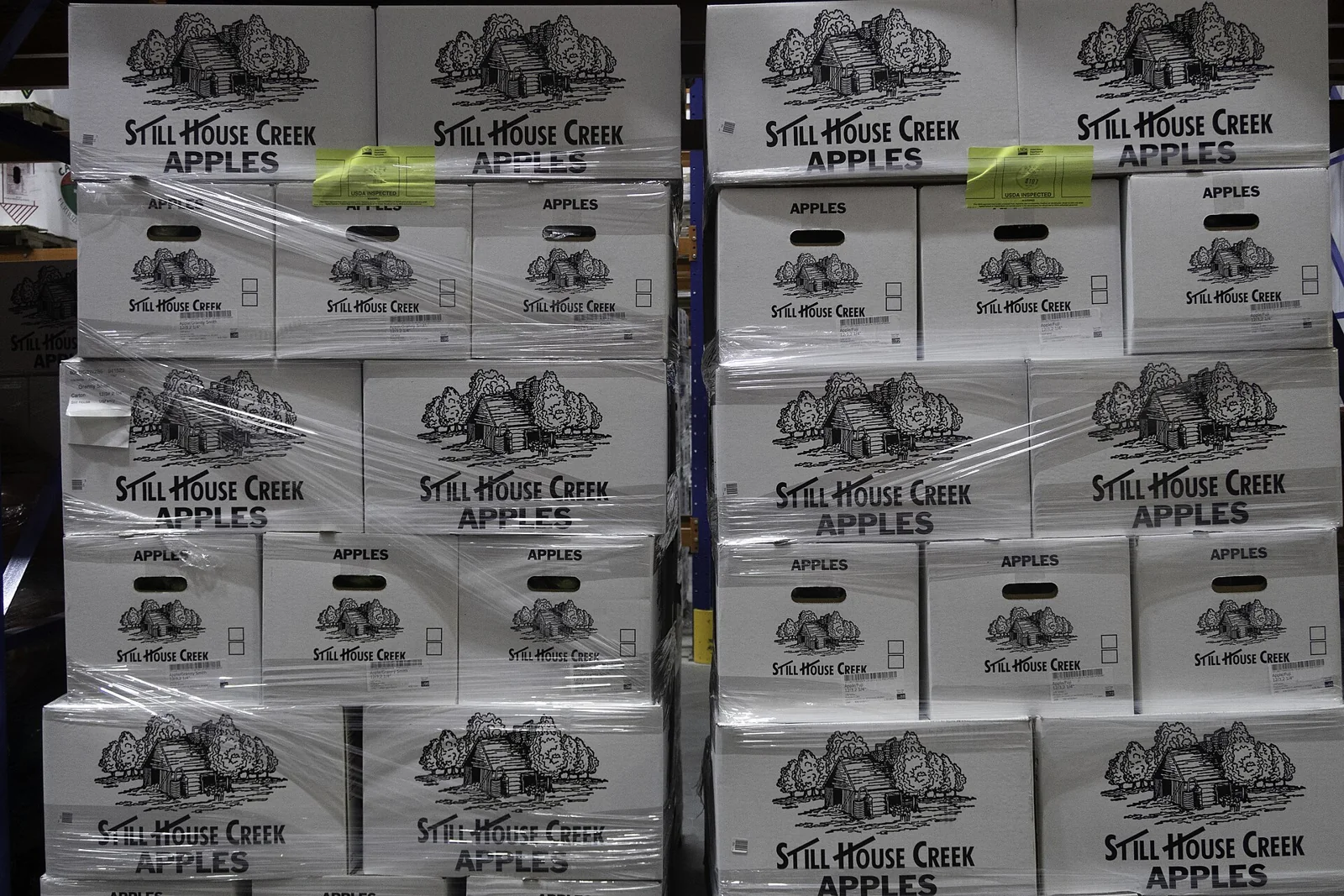
Traceability is one part of safety
A record cannot prevent contamination on its own. Food still needs appropriate handling, cleaning, separation and temperature control. The FDA’s sanitary transportation guidance describes the role of suitable equipment and practices during transport, including measures to avoid contamination and maintain necessary temperatures. Traceability and prevention work together: one reduces the chance of a problem, while the other helps make a response more precise if a problem occurs.
There is also a difference between knowing a product’s origin and making broad claims about its quality. A traceability label can help document movement; it does not independently prove that a food is more nutritious, sustainable or safe in every circumstance. Those claims require their own evidence. Readers should be wary of marketing language that treats a digital tracking system as a substitute for independent verification.
The consumer benefit is a faster answer
When investigators can locate affected lots quickly, companies may be able to remove specific products rather than cast an unnecessarily wide net. More importantly, people may receive clearer advice sooner. A reliable chain of records can help answer which food is involved, where it was distributed and who needs to act. The value lies in useful, accessible information at the moment it matters—not in the sophistication of the label on a package.
For a food system built on many handoffs, traceability is a form of shared memory. It works best when the records are accurate, the participants can read one another’s information and the underlying food-safety practices are strong.