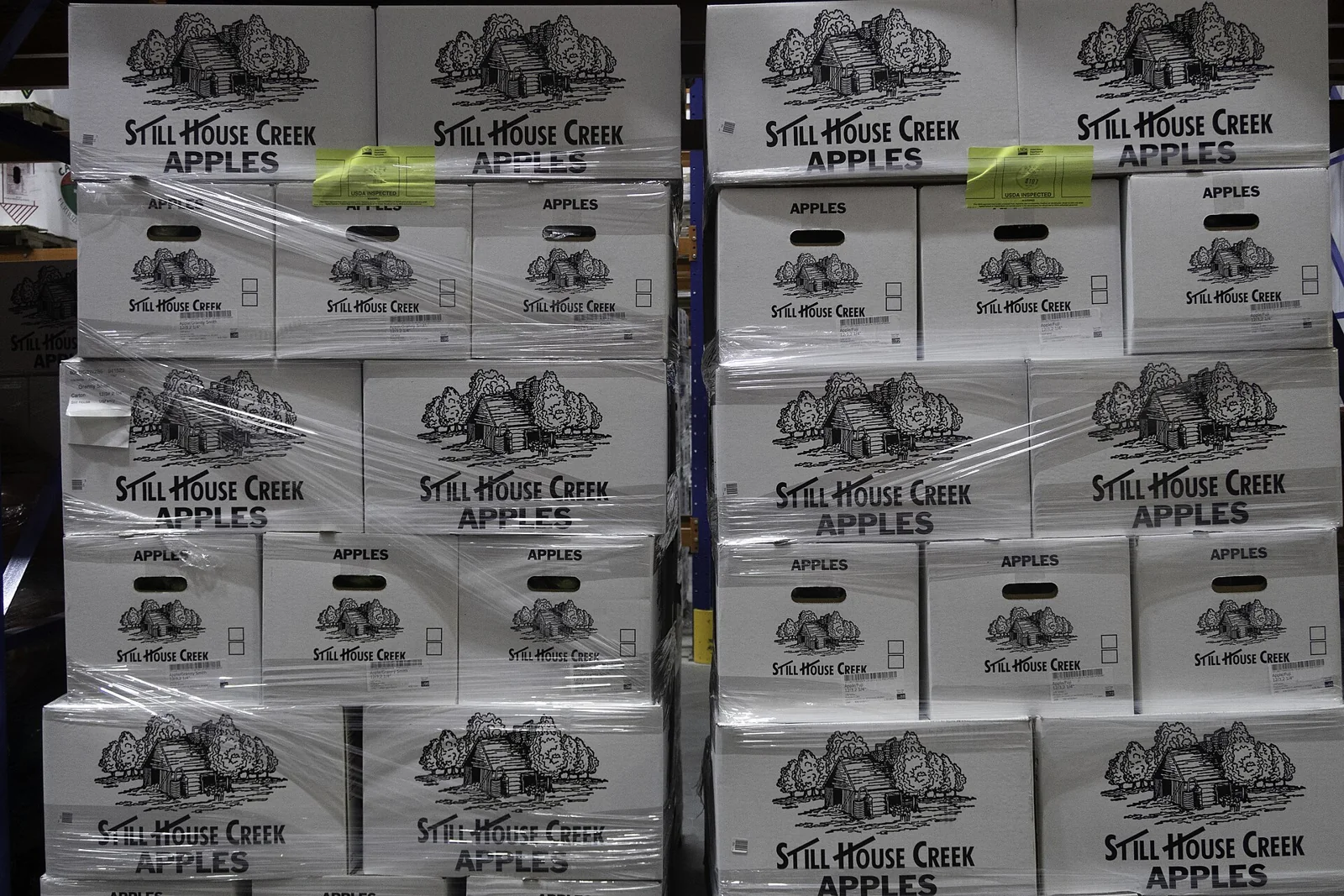
Food waste is often pictured as a household trash can. Much of the story starts earlier: after harvest, during storage and transport, at a store deciding how much to order, or in a kitchen preparing more than it can serve. Looking upstream changes the question from “Where should scraps go?” to “Why did usable food become surplus in the first place?”
The U.S. Environmental Protection Agency places prevention at the top of its Wasted Food Scale. That ranking reflects the resources already used to grow, process, move and prepare food. Once an edible product is wasted, the water, land, energy and labor behind it have also been used without nourishing someone. Donation and upcycling are important pathways, but avoiding unnecessary surplus can save those resources earlier.
Loss can happen at every handoff
The USDA Economic Research Service describes food loss as edible food available for human consumption but not ultimately consumed. It notes several causes between farm and retail, including damage, pests and problems during transport or processing. At stores, equipment failure, over-ordering and removal of blemished produce can contribute. Later, food may spoil at home or remain uneaten on a plate.
Not every discarded item reflects careless behavior. Food safety sometimes requires removing a product. Weather can damage a harvest. Demand can change suddenly. A realistic plan separates avoidable loss from situations where protecting health comes first. It also asks where better information, handling or coordination would make the largest difference.
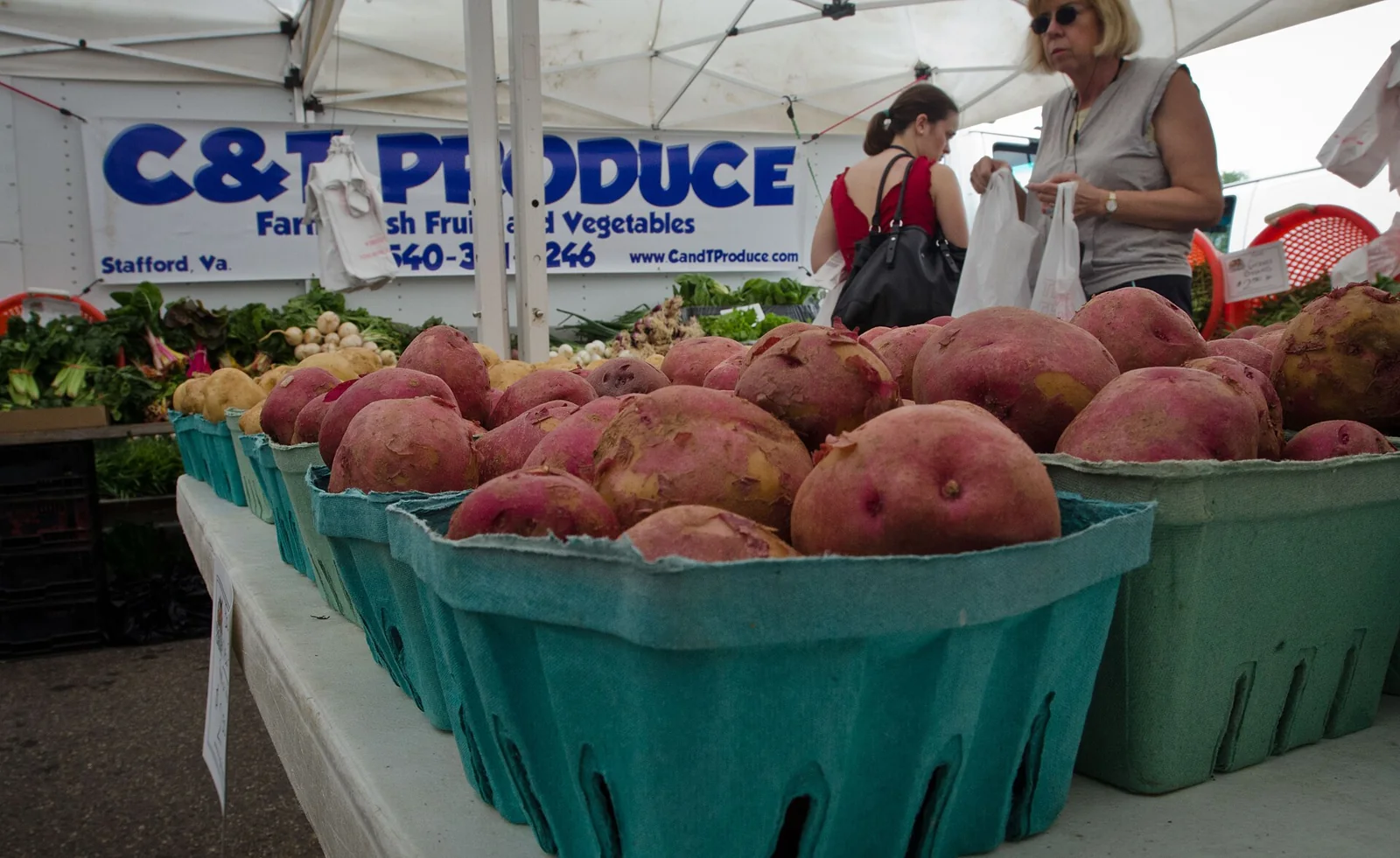
Prevention is a systems task
At the farm, more accurate harvest and sales planning can help match supply with demand. During transport, suitable handling and temperature control can preserve quality. Retailers can improve ordering and stock rotation. Food-service operations can examine portions and preparation patterns. None of these changes works in isolation: a store’s order affects a supplier, and a supplier’s packaging or delivery schedule affects the store.
When wholesome food does remain unsold, redistribution can still serve people. The EPA ranks donation among its preferred pathways because food is used for its intended purpose. Upcycling can also keep edible parts in the human food supply. These options require coordination and appropriate safety practices, but they offer more value than treating every surplus item as disposal material.
What to measure
A business cannot improve what it only notices at the dumpster. Measuring the type, amount and point of loss helps reveal a cause. Did a refrigerated load arrive late? Was a product ordered in volumes that regularly exceed demand? Did a packaging decision shorten shelf life? Answers should guide practical changes rather than a slogan about “zero waste.”
For readers, the central insight is simple: the food system is a sequence of choices. Waste prevention belongs throughout that sequence, from production to the final meal. Composting and other end-of-life options still have a place, but the most valuable food is the food that reaches people in time to be eaten.