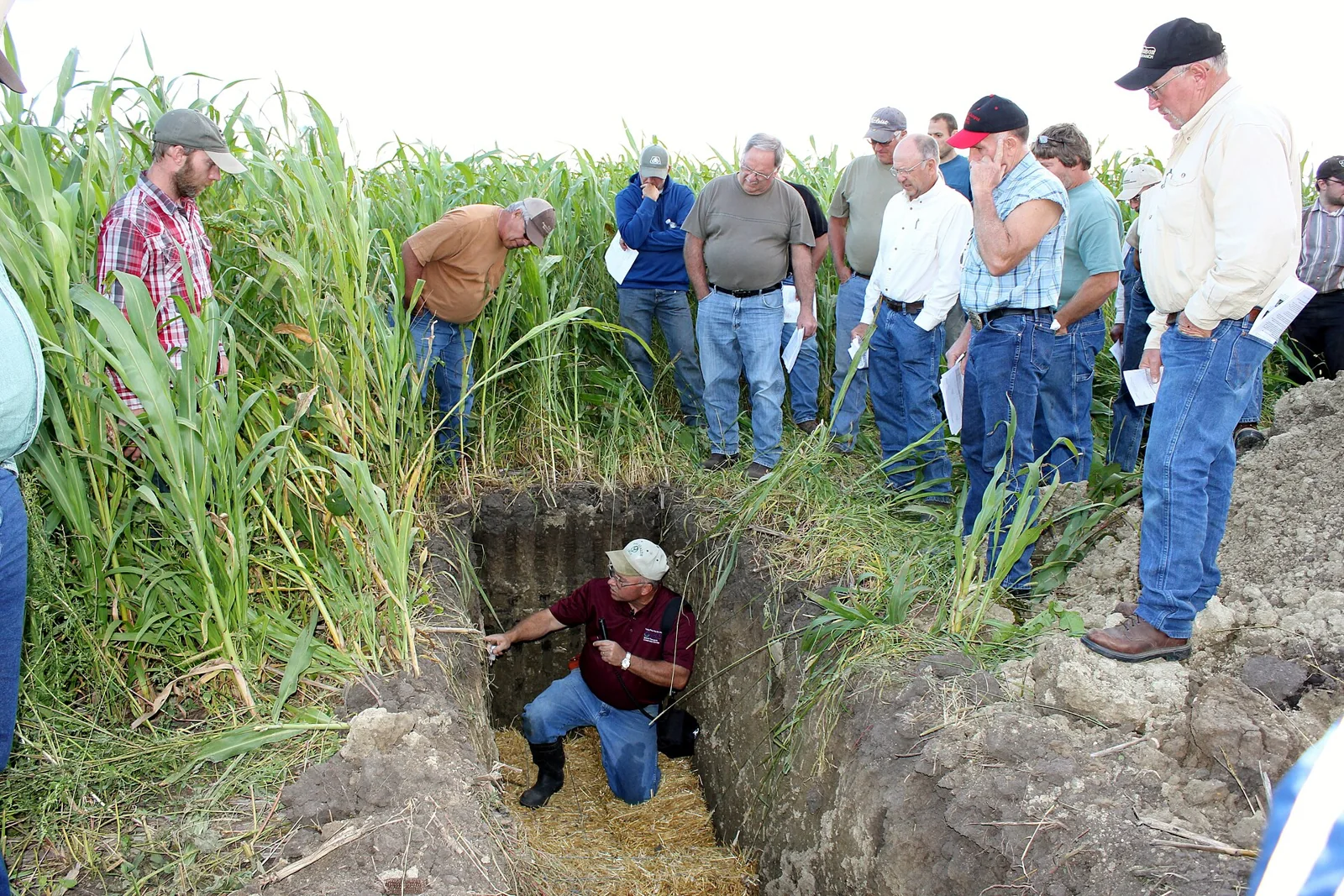
A harvested field can look idle, but what happens to its soil between growing seasons matters. Cover crops are plants grown mainly to protect and improve the ground rather than to be sold as the principal harvest. They are one of the practical tools farmers use to keep roots in the soil, limit erosion and prepare for the next crop. The idea is straightforward; choosing the right crop and managing it well are less so.
The U.S. Department of Agriculture’s Natural Resources Conservation Service describes grasses, legumes and other cover plants that can reduce runoff, improve water infiltration and contribute organic matter. A living cover can also compete with weeds. Different species perform different jobs: some hold soil, some take up leftover nutrients, and some may support useful soil organisms. The effect depends on the field, the season and the farmer’s goals.
Protection starts at the surface
Bare soil is exposed to rain and wind. When a cover crop grows through an otherwise fallow period, leaves and stems soften the impact of heavy rain, while roots help hold the surface together. That can matter when intense weather arrives between harvest and planting. It can also affect what leaves a field with runoff. Keeping soil in place is a long-term investment because productive topsoil cannot simply be replaced at the next planting.
Cover crops do not automatically produce a higher yield. They use water, require seed and equipment, and must be terminated at the right time before or during the following crop. A mix that works well in one region may perform poorly elsewhere. The NRCS therefore provides planning tools and regional guidance rather than a single recipe for every farm.
What the research can show
Soil health is measured through several indicators, not one headline number. Researchers can examine organic carbon, water movement, compaction and biological activity. Some of these change slowly. The USDA Economic Research Service reports that certain indicators improved modestly during the first years of cover-crop adoption in studied fields, while noting that soil responses take time.
Results also vary by location. A USDA Agricultural Research Service study of two Alabama sites found improvements in some soil measures at one location that did not appear at the other. That is not a reason to dismiss the practice; it is a reason to test and adapt it. Soil type, climate, crop rotation and management all influence the outcome.
Why this belongs in a food-systems story
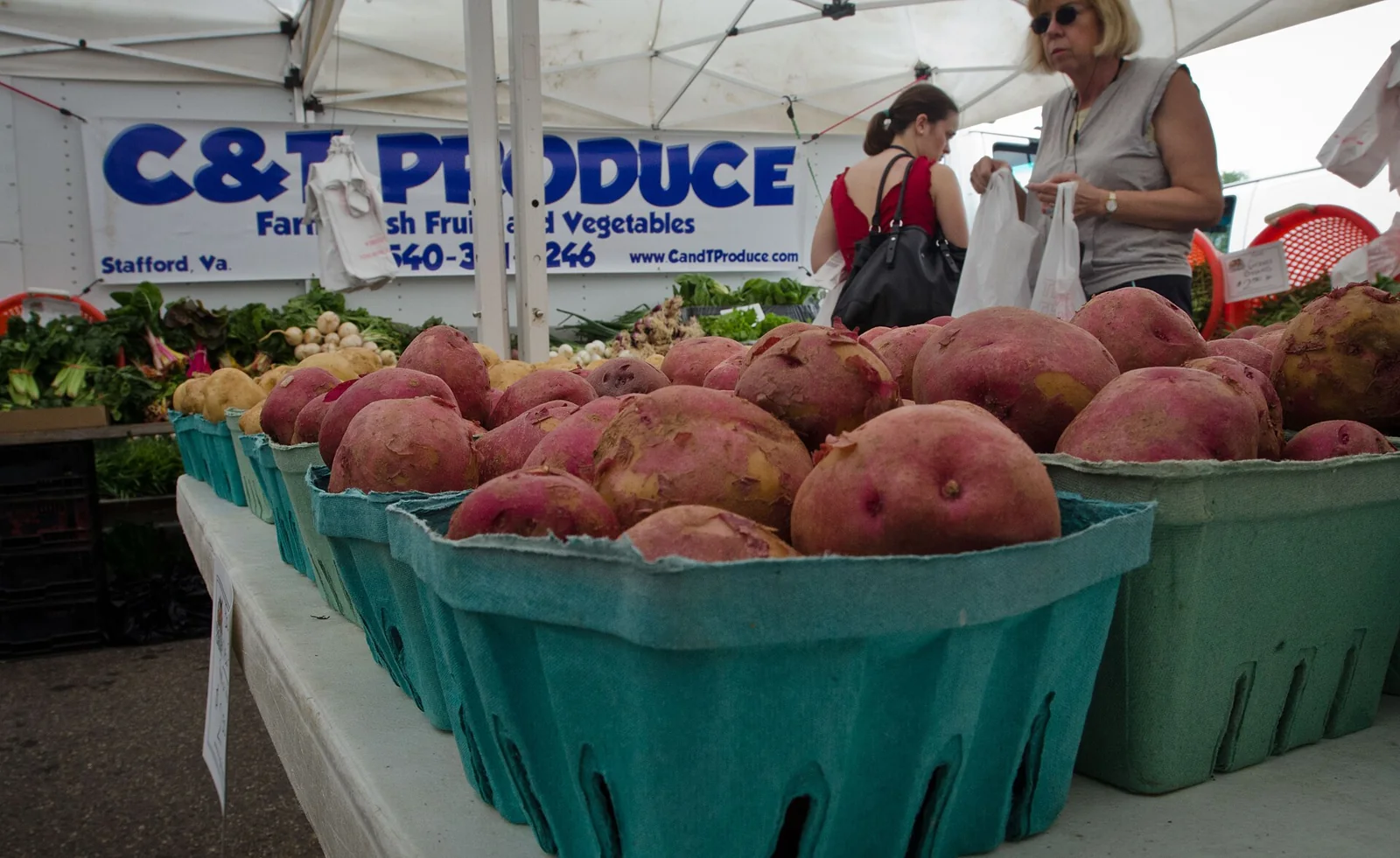
The food supply chain does not begin at the warehouse or the grocery shelf. It begins with decisions about land and water that can shape future harvests. Healthy soil is one part of a system that must also include safe handling, dependable transport and access to food. Looking only at the final product hides the work that makes consistent production possible.
For readers, the useful question is not whether a farm uses a fashionable label. It is which practices it uses, what problem those practices are meant to solve, and whether the results are measured over time. Cover crops are a tangible example of that approach: an investment in the months when a field might otherwise seem quiet.